
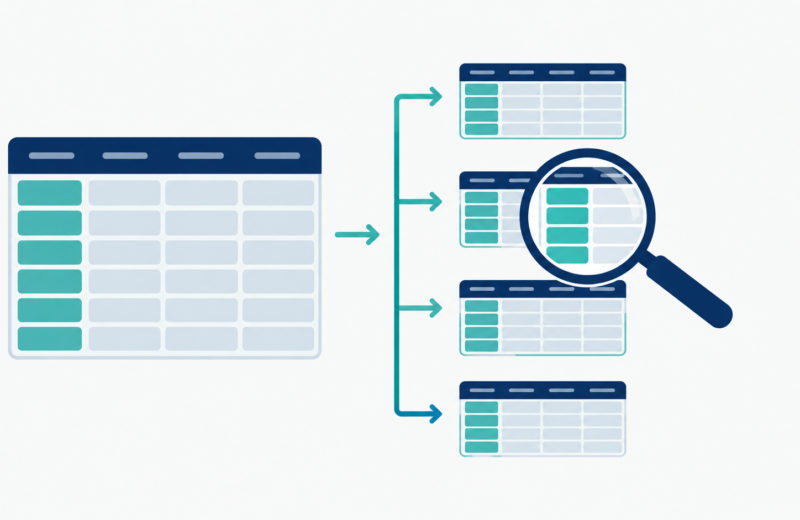
Table Partitioning Strategies for Large Data Tables
A query scanning a billion rows to find last week’s data is doing unnecessary work. Here’s how table partitioning strategies fix that, and how to pick the right key.
Read more →Your blog category
A query scanning a billion rows to find last week’s data is doing unnecessary work. Here’s how table partitioning strategies fix that, and how to pick the right key.
Read more →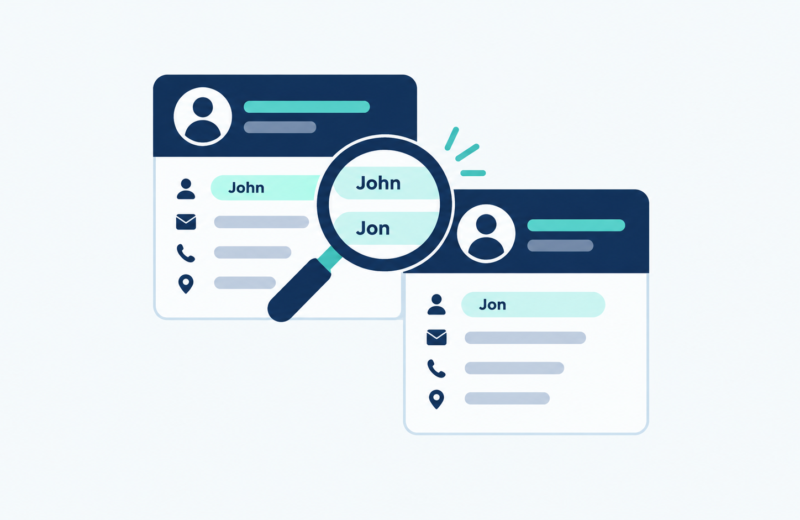
Two records for the same customer, entered slightly differently, don’t announce themselves as duplicates. Here’s how data deduplication techniques actually handle that, with a real project example.
Read more →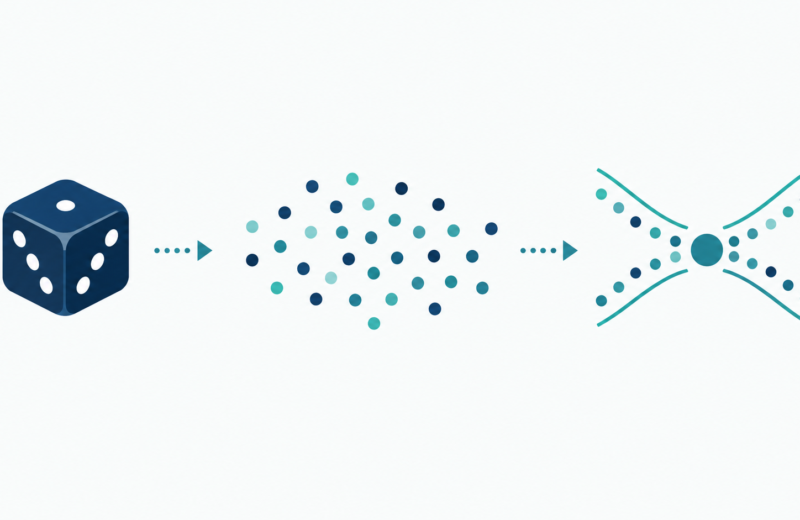
A single random seed can make a model look better or worse than it really is. Here’s why random seed reproducibility matters more than one lucky training run.
Read more →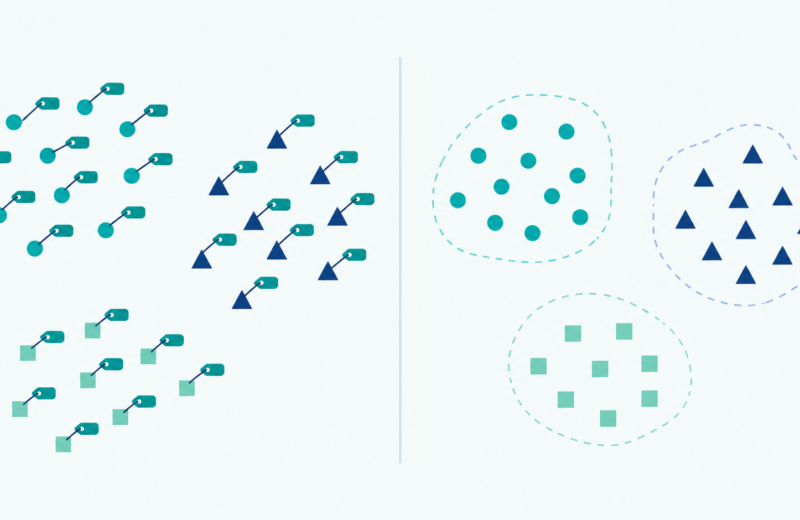
Supervised vs unsupervised learning comes down to one question: does your data already have the answer attached? Here’s how each works, with real project examples.
Read more →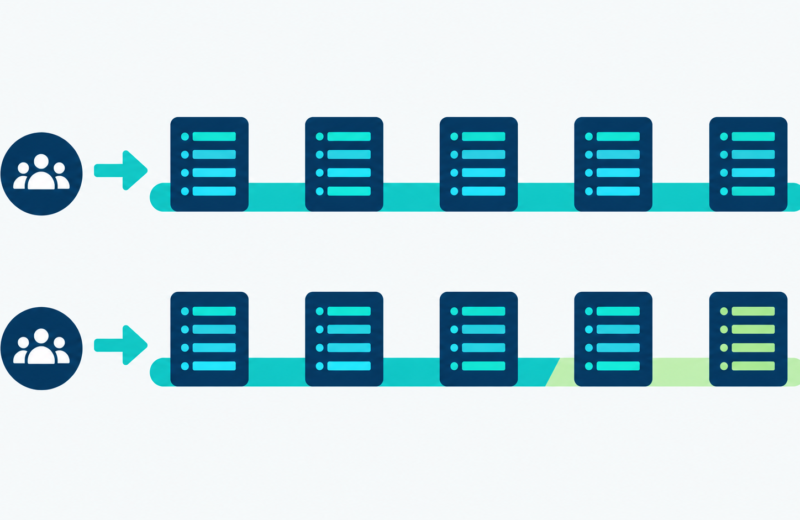
A model that looked good offline can still fail in production. Here’s blue-green vs canary deployment, two ways to roll out a new model version safely.
Read more →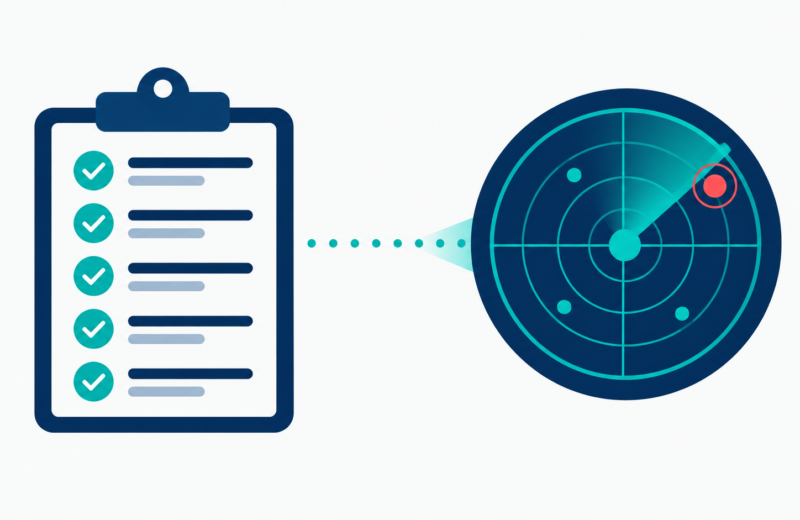
A test catches a known rule violation. It won’t catch a table that quietly stopped updating. Here’s data observability vs data quality testing, and why both matter.
Read more →
A wrong number on a dashboard raises a question: where did it come from? Here’s what data lineage in data engineering actually tracks, and how dbt provides it almost for free.
Read more →
Reprocessing a full table works until it doesn’t. Here’s change data capture vs batch ETL, when each is the right fit, and a real project example of batch done well.
Read more →
A running total or rank within a group used to mean a slow, hard-to-read subquery. Here’s window functions vs subqueries in SQL, and when each actually fits.
Read more →
When a dimension attribute changes, do you overwrite it or keep history? Here’s slowly changing dimensions type 1 vs type 2, and why the choice affects historical reports.
Read more →