Data Lineage in Data Engineering: Why It Matters
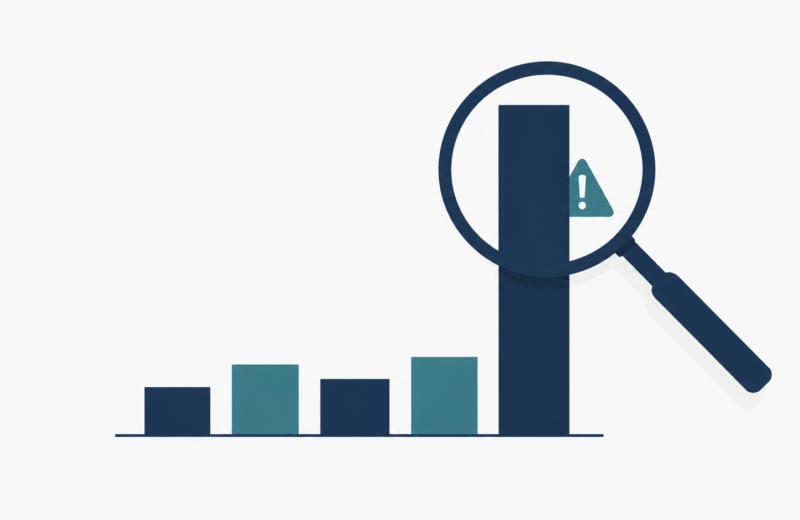
A wrong number on a dashboard raises a question: where did it come from? Here’s what data lineage in data engineering actually tracks, and how dbt provides it almost for free.
Read more →Your blog category
A wrong number on a dashboard raises a question: where did it come from? Here’s what data lineage in data engineering actually tracks, and how dbt provides it almost for free.
Read more →
Reprocessing a full table works until it doesn’t. Here’s change data capture vs batch ETL, when each is the right fit, and a real project example of batch done well.
Read more →
A running total or rank within a group used to mean a slow, hard-to-read subquery. Here’s window functions vs subqueries in SQL, and when each actually fits.
Read more →
When a dimension attribute changes, do you overwrite it or keep history? Here’s slowly changing dimensions type 1 vs type 2, and why the choice affects historical reports.
Read more →
A failed pipeline gets rerun, and now rows exist twice. Here’s why idempotent data pipelines matter and the patterns that actually prevent duplication.
Read more →
A source system changes a field, and pipelines downstream break silently. Here’s what data contracts in data engineering actually cover, and how automated tests relate.
Read more →
“Works on my machine” usually traces back to an unpinned dependency. Here’s why a reproducible python environment for machine learning matters, and how to actually build one.
Read more →
Both can transform data. Here’s how to actually choose between SQL and Python for data transformation, with real project examples of each done right.
Read more →
A recommender returns a ranked list, not a single prediction. Here’s how precision at K and recall at K evaluate that differently from standard metrics, with a real project example.
Read more →
“Should I collect more data, or is my model the problem?” Here’s how to read a learning curve in machine learning to actually answer that, with real project examples.
Read more →